
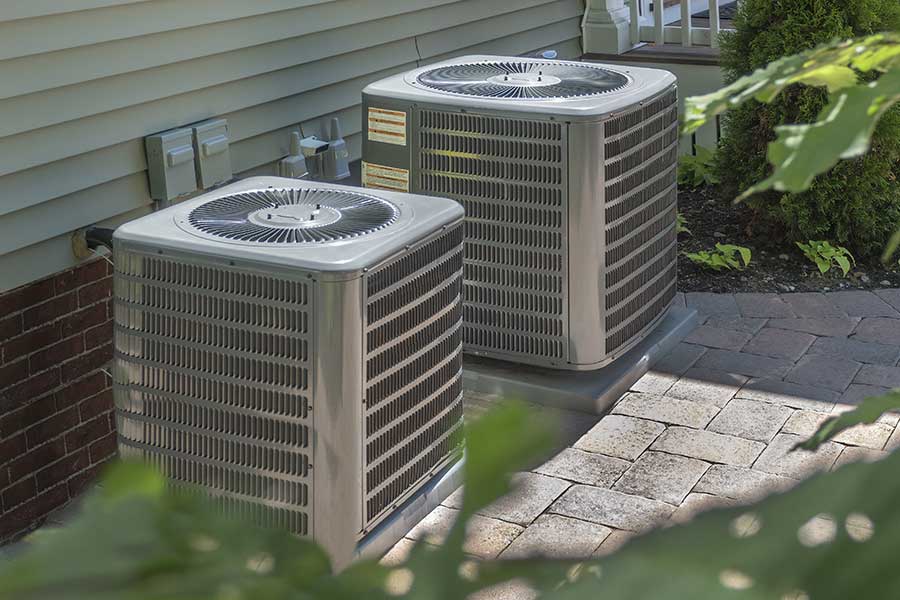
Deciding between heat pump repair and replacement in Seabrook Island, SC, comes down to a handful of key signs, including inconsistent heating, strange noises, and rising energy bills. A unit over ten years old that needs frequent repairs is often a strong candidate for replacement, since newer models offer better efficiency and lower costs over time. In our service calls throughout Seabrook Island, from properties near the beach club to homes further inland along the marsh, this decision comes up often, especially as coastal humidity and salt air tend to shorten the working life of outdoor equipment. Let’s look at how to make the right call for your comfort and budget.
Signs Your Heat Pump Needs Repair or Replacement
Heat pumps tend to send warning signs well before a full breakdown, but only if you know what to watch for. Inconsistent heating or cooling is often one of the first signs, showing up as some rooms feeling noticeably warmer or cooler than others.
Strange noises, like grinding or squealing, can point to a mechanical issue that shouldn’t be ignored, and unusual odors are worth paying attention to as well, since a burnt smell in particular can signal an electrical problem. An unexplained spike in energy bills is a clear indicator that a system isn’t operating as efficiently as it should, and frequent cycling, turning on and off more than usual, often points to the same underlying issue.
A heat pump over ten years old showing any of these signs is worth having evaluated by a professional sooner rather than later. Routine heat pump repair visits can also catch refrigerant leaks before they escalate into a larger, more expensive problem.
Understanding Costs: Repair vs. Replace
Deciding between repair and replacement starts with a clear look at the costs involved on both sides. Repairs often seem less expensive upfront, but it’s worth factoring in both the immediate cost and the long-term pattern. A heat pump that needs frequent repairs can rack up expenses quickly, sometimes exceeding what a replacement would have cost from the start.
Replacing an older unit can feel like a bigger investment on paper, but newer models tend to offer meaningfully better energy efficiency, which can lower utility bills enough to offset the upfront cost over time. The age of the unit matters here too. A heat pump nearing the end of its expected lifespan is usually a better candidate for replacement than continued repair.
Key Considerations for Choosing Between Repair and Replacement
A few factors consistently guide this decision. The age of the unit matters most, since a system over ten years old often makes replacement the more cost-effective choice in the long run.
The frequency of repairs is another strong signal. A heat pump that requires constant service calls is usually telling you it’s time for something new. Efficiency is worth considering too, since older units tend to consume more energy and drive up bills as they age. Changes in a household’s comfort needs, like a growing family or a home addition, can also make a more efficient or larger system worth considering.
Warranty coverage plays a role as well. If repair costs exceed roughly 50% of the price of a new unit, replacement usually makes more financial sense. Weighing these factors together, rather than focusing on any single one, leads to the most confident decision.
Long-Term Advantages of Replacing Your Heat Pump
Replacing an aging heat pump brings real long-term advantages, especially for homeowners who’ve been dealing with a unit well past its prime. A new system typically operates more efficiently, translating into lower energy bills and more consistent comfort without the temperature swings common in older equipment.
Modern units also come with advanced technology that can improve indoor air quality and offer smart features for easier day-to-day control. Investing in a replacement now also reduces the likelihood of frequent repairs going forward, saving both time and money. Many new heat pumps come with longer warranties as well, adding peace of mind and protecting the investment. There’s an environmental upside too, since newer models tend to produce fewer emissions. Homeowners considering this step can count on our heat pump installation and replacement team to help select the right system for the home.
When Should You Call Smoak’s Comfort Control for Help?
A few clear signs point to when it’s time to call in a professional. Strange noises, a system that isn’t heating or cooling properly, or visible signs of wear all warrant a closer look, particularly given how much Seabrook Island’s coastal climate can demand from a heat pump.
A sudden spike in energy bills or irregular airflow are also red flags worth acting on quickly rather than waiting out. For any unit older than ten years, it’s worth consulting with an expert about whether repair or replacement makes more sense for the specific situation, rather than guessing.
Making the Right Call for Your Seabrook Island Home
Deciding between heat pump repair and replacement often comes down to weighing a quick fix against a longer-term investment. Sometimes a repair is exactly what’s needed, and sometimes it’s a sign that an upgrade will serve the home better going forward.
If you’re facing this decision for your Seabrook Island home, contact our team today and we’ll help you find the right fit for your comfort and your budget.