


AC Repair in Isle of Palms, SC
Providing “Comfort for Life” since 1972
& Operated Since 1972
Charleston Company
Comfort Specialist
- Family-Owned & Operated Since 1972
- Third-Generation Charleston Company
- Trane Comfort Specialist
Contact Us
There is no buffer between the Isle of Palms and the Atlantic Ocean. Homes here sit directly in the path of salt air, ocean-driven humidity, and the full intensity of a South Carolina coastal summer. It’s a beautiful place to live, and it is genuinely one of the most demanding environments for air conditioning equipment in the entire region. Condenser coils corrode faster. Refrigerant lines see more stress. Systems that would last 18 years inland may need more frequent attention here, because the ocean doesn’t stop working on your equipment just because it’s not visible from the street.
Smoak’s Comfort Control has served coastal communities including the Isle of Palms since 1972. Our experienced team understands what direct ocean exposure does to cooling systems and how to diagnose, repair, and maintain equipment in these conditions so it lasts as long as possible.
Our Services
Why Homeowners in Isle of Palms, SC Trust Us
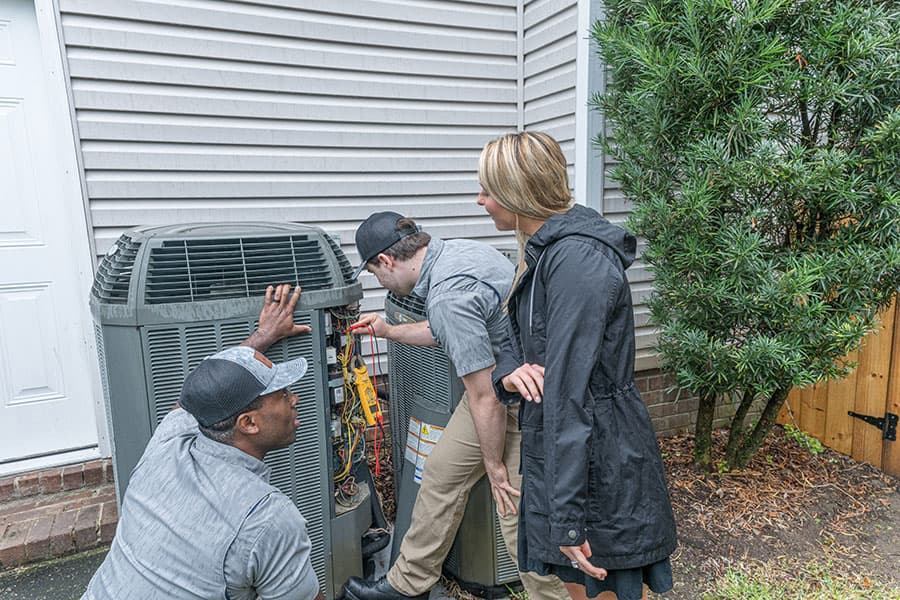
When Ocean Air Gets Into Your AC System
On the Isle of Palms, the signs that something is wrong with your AC often show up differently than they would in an inland home. Salt corrosion and moisture intrusion create failure patterns that can look like one thing and be another. Here’s what to pay attention to.
- The outdoor unit shows visible corrosion or pitting on the condenser coil fins, which is a sign that salt air is actively degrading the equipment’s ability to release heat.
- Your system’s cooling capacity seems to have dropped gradually over one or two seasons rather than failing suddenly, often pointing to slow refrigerant loss through a corroded line connection.
- The system starts inconsistently, sometimes running normally and other times failing to engage at all, which is a common symptom of a capacitor or contactor weakened by coastal corrosion.
- Indoor humidity is noticeably higher than it was when the system was newer, suggesting reduced dehumidification capacity.
- You’re finding rust staining or water marks around the air handler or on adjacent walls, pointing to condensate drainage problems.
- Electrical components, including disconnect boxes or wiring near the outdoor unit, show signs of corrosion or discoloration.
- The system requires refrigerant more frequently than once every several years, which indicates a leak rather than normal loss.
On the Isle of Palms, these signs carry more urgency than they might elsewhere. The environment here can accelerate a manageable problem into a system failure quickly, especially during the peak months of summer.
What Direct Ocean Exposure Does to Residential Cooling Equipment
Most of what homeowners know about AC systems comes from experiences in less extreme environments. The Isle of Palms operates by different rules, and understanding them helps explain why equipment here needs more attention than it might in other locations.
- Aluminum condenser coil fins begin corroding on contact with salt-laden ocean air, and without protective coil coatings or frequent cleaning, pitting and oxidation can reduce heat transfer efficiency within just a few years of installation, even on brand-new equipment.
- Copper refrigerant lines and brass fittings are more corrosion-resistant than aluminum but are still vulnerable at joint connections and flared fittings, where ocean moisture and salt concentrate and cause slow leaks that may not be immediately obvious.
- Electrical components including capacitors, contactors, and control boards are exposed to the same salt and humidity, and their rated service life in a beachfront environment is meaningfully shorter than what manufacturers test for in controlled conditions.
- Vacation rental properties and second homes on the Isle of Palms present a particular challenge: systems that run at full capacity during rental season and then sit idle can develop drain line algae, refrigerant migration issues, and capacitor failures that aren’t discovered until the next occupant arrives to a warm house.
- The island’s sandy soil and shifting dune topography can affect equipment pad stability over time, which occasionally stresses refrigerant line connections and creates micro-vibrations in running equipment.
These are the realities of maintaining a cooling system within a few blocks of the ocean. The good news is that with the right maintenance approach, equipment on the Isle of Palms can still perform reliably for many years.
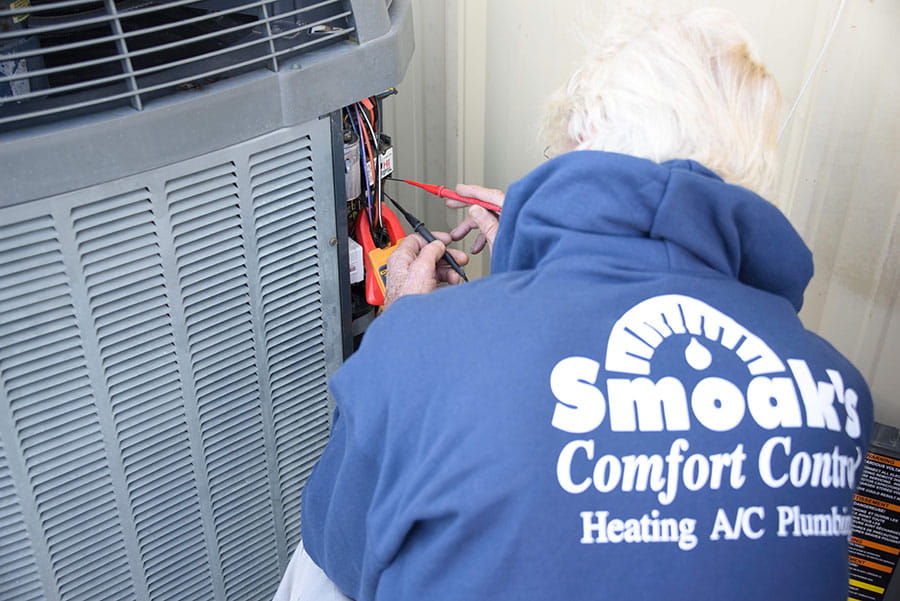
A Vacation Rental That Wasn't Ready for the Season on Palm Boulevard
In early May, a property manager named Gail called us about a unit on Palm Boulevard that had been closed up since the previous fall. Guests were arriving in two weeks and the AC wasn’t starting. Our technician found that both the capacitor and contactor on the outdoor unit had failed, likely a combination of the idle winter period and the previous summer’s salt exposure catching up with the components at the same time. The condensate drain line had also grown a significant algae plug during the off-season. Both issues were resolved in a single visit, and the unit was tested and confirmed running correctly well ahead of the first guest arrival. Gail said she was adding a spring startup check to her annual property calendar going forward.
Emergency Service on the Island, Any Time of Day or Night
On the Isle of Palms, a failed AC system in summer is a crisis on a compressed timeline. Whether you’re a year-round resident or managing a property with guests arriving soon, waiting days for a repair is not an option in this climate. Smoak’s Comfort Control offers emergency repair service and covers the Isle of Palms as part of our regular service area.
Call us any time your system goes down and we’ll get a technician on the way as fast as we can. We understand what’s at stake in a beachfront property, and we treat every emergency call with the urgency it deserves regardless of when it comes in.
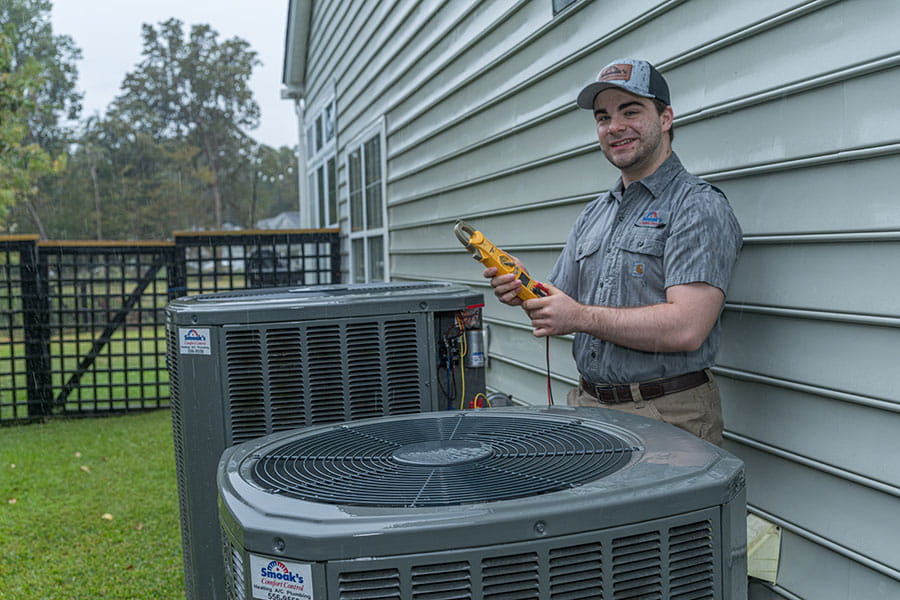
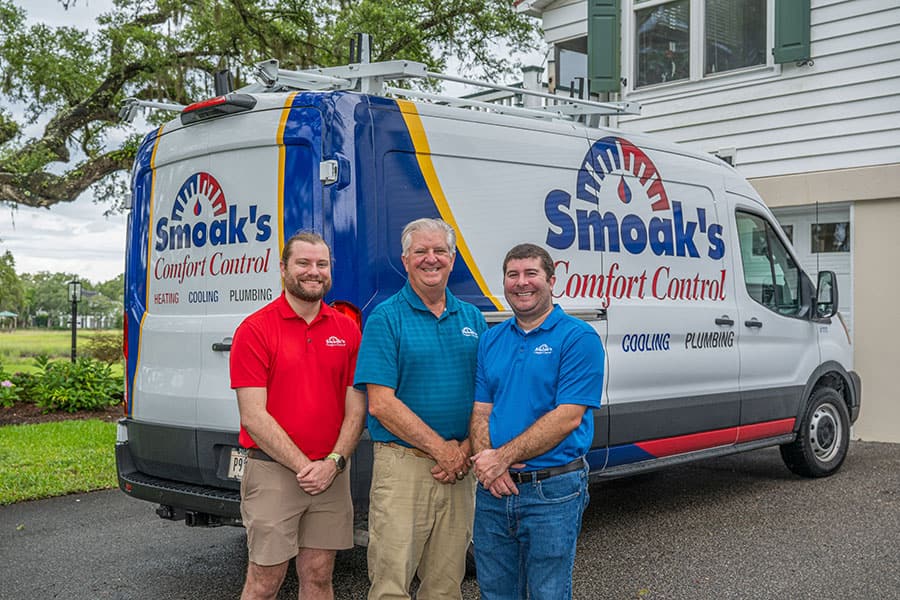
Fifty Years of Serving the Lowcountry, Including Its Coastline
Smoak’s Comfort Control has been serving coastal and inland Charleston communities alike since 1972, and the Isle of Palms has been part of our service area for decades. As a third-generation, family-owned company that remains independently operated, we bring the same commitment to honest, quality work to every home we enter, whether it’s a primary residence or a vacation property that needs to be in top shape for the season.
- Skilled technicians with experience in high-exposure coastal environments and the specific failure patterns they produce.
- An A+ rating with the Better Business Bureau reflecting consistent, trustworthy service over many years.
- Financing options available for unexpected repairs and system replacements.
- Respectful, professional service practices that protect your home and your property from start to finish.
- Emergency availability, because on the Isle of Palms, a broken AC cannot wait until Monday.
We’ve been showing up for communities across this coastline for more than 50 years, and we’re proud of the trust that has built over time. Every call is an opportunity to keep earning it.