


Heat Pump Repair in Sullivans Island, SC
Providing “Comfort for Life” since 1972
& Operated Since 1972
Charleston Company
Comfort Specialist
- Family-Owned & Operated Since 1972
- Third-Generation Charleston Company
- Trane Comfort Specialist
Contact Us
Sullivans Island sits where the Atlantic Ocean and Charleston Harbor meet, which makes it one of the most environmentally complex locations for heat pump equipment in the entire region. Ocean exposure from the east and harbor tidal exposure from the west mean there is no side of any property on this narrow island that is truly sheltered from salt air. The harbor’s daily tidal exchange delivers corrosive air from the west on a predictable cycle, while ocean winds work on the eastern side simultaneously. The island’s historic character and the multi-generational ownership patterns of many of its homes add a layer of infrastructure history that shapes how heat pump systems here age and fail in ways that don’t apply to newer communities.
Smoak’s Comfort Control has served Sullivans Island and the northern barrier islands since 1972. Our experienced team understands both the dual-exposure environment this island produces and the specific failure patterns it creates in heat pump systems.
Our Services
Why Homeowners in Sullivans Island, SC Trust Us
When Your Heat Pump Is Trying to Tell You Something
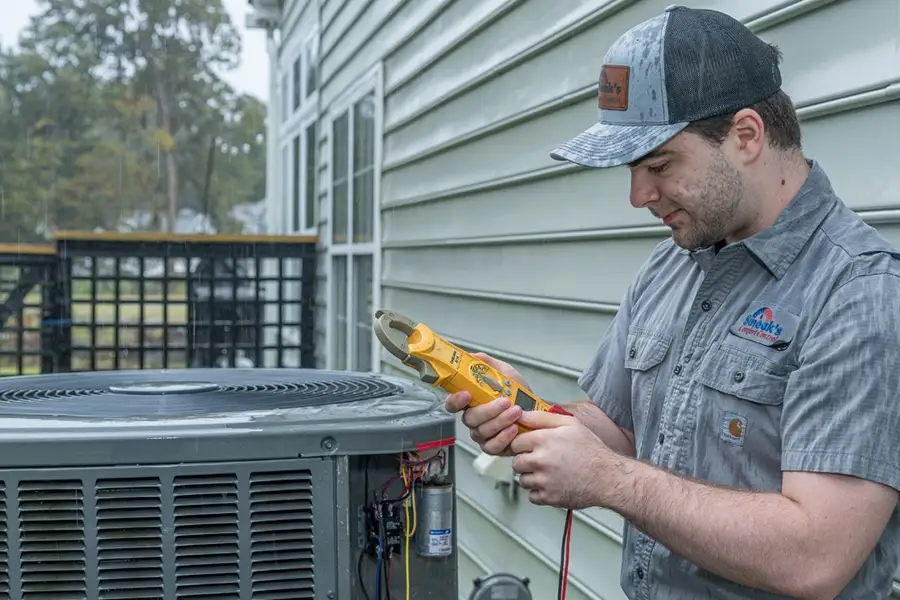
On Sullivans Island, the combination of harbor and ocean exposure creates heat pump warning signs that develop from two directions at once. The dual-source salt environment means component degradation can accumulate faster than on single-exposure coastal properties, and the signals are worth recognizing early.
- Heating output has declined noticeably over one or two seasons without any obvious triggering event, which on a dual-exposure island property almost always reflects coil corrosion reducing the outdoor unit’s heat absorption capacity rather than a mechanical failure.
- The outdoor unit shows corrosion on multiple sides of the coil fins rather than primarily on the ocean-facing side, which confirms that the harbor is delivering salt air to the equipment from the west while ocean winds work from the east.
- The system starts inconsistently, particularly during cold and humid weather, engaging on some attempts and failing to run on others, a pattern that points to a capacitor weakened by the island’s combined humidity and salt exposure.
- Your home feels more humid during heating season than it did in prior winters even though the system appears to be running normally, suggesting partial reversing valve failure has the unit running a mixed refrigerant cycle.
- The system has needed refrigerant added more than once in recent years, which in a dual-exposure salt air environment traces to corrosion at a fitting or connection point rather than incidental loss.
- One particular room or area of the home has become noticeably harder to heat or cool than others, reflecting either localized duct issues in older island homes or a developing capacity problem in the unit serving that zone.
- There are sounds from the outdoor unit, including rattling or vibration, that developed gradually rather than appearing suddenly, often from fan blade or mounting issues exacerbated by salty air accelerating metal fatigue.
On Sullivans Island, where both the ocean and the harbor work on equipment simultaneously, the timeline from early warning to significant failure is shorter than on single-exposure coastal properties.
What Harbor and Ocean Exposure Together Do to Heat Pump Systems
The dual-exposure environment on Sullivans Island produces heat pump failure patterns that are distinct from what we see on properties with directional ocean or harbor exposure alone. The interaction of both salt sources creates conditions worth understanding.
- On a standard beachfront property, condenser coil corrosion concentrates on the ocean-facing side of the fins, leaving the sheltered side relatively protected. On Sullivans Island, where tidal harbor air arrives from the west while ocean air arrives from the east, corrosion develops across the entire coil surface simultaneously, reducing the total effective heat transfer area faster than directional exposure would allow.
- The harbor’s tidal cycle delivers salt air on a predictable twice-daily schedule regardless of wind direction, which means there is no calm period during which outdoor components are free from salt deposition. On a property with only ocean exposure, offshore wind days provide some relief. Sullivans Island equipment gets no equivalent break from harbor-side exposure.
- Historic homes on Sullivans Island, some dating back several generations, often have electrical infrastructure and duct configurations that were designed for systems very different from modern heat pumps. Voltage irregularities from aging panels stress capacitors and control boards, and duct systems designed for older equipment create pressure imbalances that place extra load on heat pump operation in both heating and cooling modes.
- The island’s narrow lot sizes mean outdoor heat pump units are often positioned in tight spaces between structures where wind eddies concentrate salt deposits and reduce the natural airflow that disperses moisture from electrical components after rain.
- Reversing valves in Sullivans Island heat pumps accumulate switching cycles from the same frequent mild-winter mode changes common across the Lowcountry coast, and in a dual-salt-exposure environment, the internal components of the valve are subject to corrosive stress that can cause partial or intermittent sticking earlier than in protected locations.
These overlapping conditions are why a Sullivans Island heat pump diagnosis benefits from a technician who accounts for both salt sources and the full system context rather than addressing only the most recently failed component.

Repeated Failures That Finally Made Sense Near Station 22
For three seasons, Janet had been replacing her heat pump’s capacitor every year and a half, with each company telling her it was just wear and tear. When she called Smoak’s, our technician asked a different question: where exactly is the outdoor unit located? It turned out the unit was wedged between the home and a fence on the harbor side of the property, in a position that created a wind eddy concentrating salt air and trapping moisture around the electrical housing. The enclosed location was acting as a salt collection point, burning through capacitors at a rate that no replacement part could keep pace with. After the unit was repositioned to a more open location on the property, a corrosion-resistant capacitor rated for marine environments was installed, and the electrical housing was treated, the replacement cycle stopped. Janet had spent three times the cost of the relocation over the previous seasons buying parts that solved nothing.
Heat Pump Problems Don't Wait for Business Hours
Sullivans Island’s small-town character means residents expect to know the people they call for help, and Smoak’s Comfort Control has been part of this barrier island community long enough to have earned that familiarity. We offer emergency heat pump repair service and cover Sullivans Island as part of our regular service area. A heat pump failure here in summer or a cold snap that catches a struggling heating system off guard are both situations that deserve a response at any hour.
Call us any time your system goes down and we’ll get a technician on the way as quickly as we can. We’ll tell you exactly what we find before we do anything.

Why Sullivans Island Homeowners Choose Smoak's Comfort Control
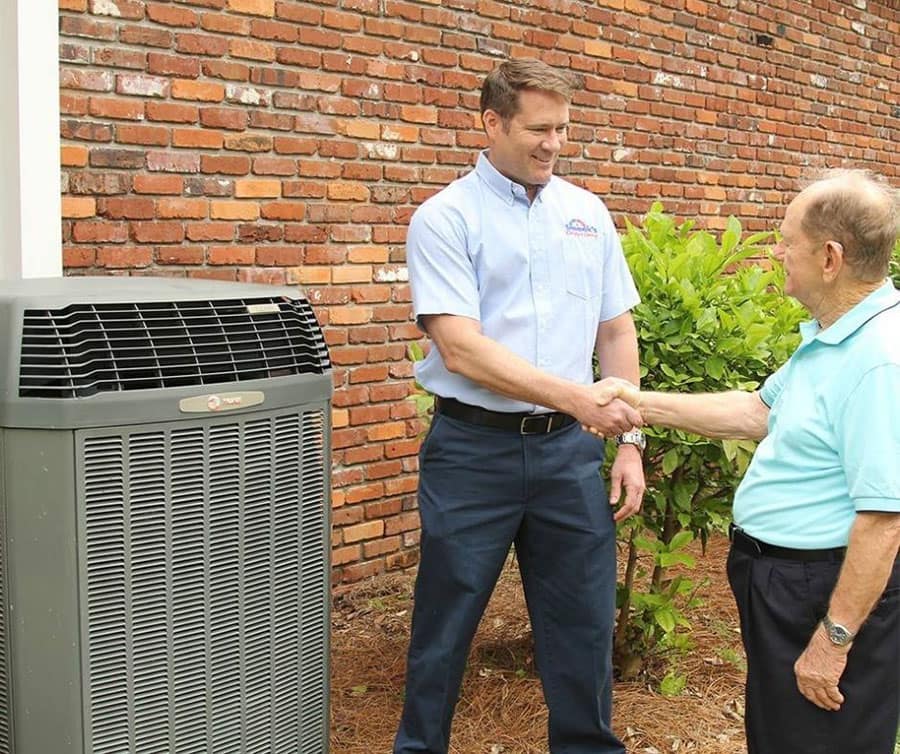
Smoak’s Comfort Control has served the northern barrier islands, including Sullivans Island, since 1972. As a third-generation, family-owned company that has never been sold to outside investors or absorbed into a national service brand, we’ve built our relationship with this community the same way we’ve built every relationship we have across the Lowcountry: by being straight with people, diagnosing accurately, and doing the work right the first time.
- Skilled technicians with specific experience in dual-exposure coastal environments and the combined harbor and ocean failure patterns they produce.
- An A+ rating with the Better Business Bureau reflecting consistent, honest service over more than 50 years.
- Financing options for larger repairs and system replacements.
- Respectful, professional service that treats island homes with the care they deserve.
- Emergency availability because heat pump failures on Sullivans Island don’t observe business hours.
We’ve been earning trust on this island one honest call at a time for generations, and that’s exactly how we plan to keep building it.