


Heat Pump Repair in Summerville, SC
Providing “Comfort for Life” since 1972
& Operated Since 1972
Charleston Company
Comfort Specialist
- Family-Owned & Operated Since 1972
- Third-Generation Charleston Company
- Trane Comfort Specialist
Contact Us
Summerville’s inland position changes the heat pump equation in a meaningful way. Without the moderating influence of the ocean, summer afternoon temperatures here regularly climb several degrees higher than coastal communities at the same latitude, and heat pumps in Summerville are working against outdoor air that is genuinely hotter during peak hours than what equipment nearer the coast has to manage. That difference compounds across an already long Lowcountry cooling season that can run from March through October, and it means the heating side of the system, while used less intensively than in colder climates, gets called on during cold snaps that arrive without much warning and leave little tolerance for a system that isn’t ready.
Smoak’s Comfort Control has served Summerville and the surrounding Berkeley and Dorchester County communities since 1972. When your heat pump isn’t performing the way it should, our experienced team is ready to diagnose the problem and get it right.
Our Services
Why Homeowners in Summerville, SC Trust Us
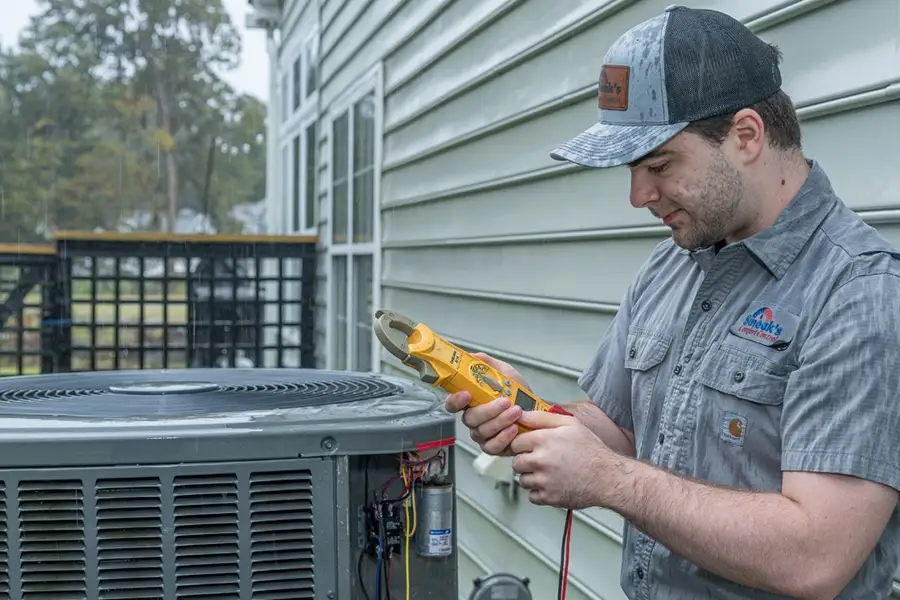
When Your Heat Pump Is Trying to Tell You Something
Summerville’s mix of established neighborhoods and newer master-planned communities means heat pumps here range from first-generation installs in Cane Bay’s earlier phases to aging equipment in downtown Summerville’s older housing stock. The warning signs of trouble are worth recognizing across that full range.
- Your home’s upper floor stays significantly warmer than the lower level throughout the summer, a pattern that in Summerville’s newer two-story homes often reflects a zoning, duct sizing, or equipment capacity issue rather than just physics.
- The heat pump delivers noticeably less heat during the coldest nights of the year even though it runs continuously, suggesting refrigerant loss or a reversing valve that is losing its ability to fully shift modes.
- A high-pitched squealing sound at startup or during operation points to a motor bearing or belt issue that will become a full failure if not addressed.
- The thermostat display shows the system is running but neither the indoor nor outdoor unit seems to be doing anything, often indicating a control board or communication issue.
- The system is short cycling on hot summer afternoons, running for a few minutes before shutting off and restarting repeatedly.
- You’re seeing water damage or moisture staining near the air handler, which in Summerville’s humid summers typically means a condensate drain line has been clogged for long enough to overflow.
- The outdoor unit’s coil fins are visibly bent, blocked, or coated with debris, reducing the unit’s ability to exchange heat with the surrounding air.
Summerville’s long seasons leave little downtime for a heat pump that’s struggling. Addressing these signs before the peak of summer or the first hard freeze is always the right call.
What the Summerville Climate Does to Heat Pump Equipment
Summerville’s inland heat and clay-dominated soil create a set of operating conditions that distinguish heat pump wear patterns here from what we see in coastal communities or in the urban core. The factors that come up most consistently in this area reflect the local geography directly.
- Peak afternoon temperatures in Summerville during summer regularly exceed what outdoor heat pump condensers are rated to handle at maximum efficiency. When ambient air temperatures climb above 95 degrees, compressors work harder and run hotter, shortening the time between maintenance and the first signs of compressor fatigue in systems that aren’t serviced regularly.
- Clay-heavy soils throughout the Summerville area retain moisture near the surface for extended periods after rainfall, keeping ground-level relative humidity elevated and increasing the volume of condensate the heat pump’s indoor coil must manage during summer operation. Drain line clogs are among the most common service calls we receive here during peak humidity months.
- Rapidly growing communities like Cane Bay, Nexton, and Pine Forest Country Club have large numbers of heat pump systems installed within a narrow timeframe, which means a significant cohort of equipment is now approaching 10 to 15 years of service simultaneously, and capacitor, contactor, and reversing valve failures are becoming more common across these neighborhoods as that equipment ages.
- The heavy spring pollen season in Summerville’s wooded areas clogs air filters faster than standard change intervals account for, and coil contamination from pollen that bypasses neglected filters reduces heat transfer efficiency in ways that look like refrigerant loss until the coil is actually inspected.
- Larger homes in master-planned communities often include multi-zone heat pump configurations where a single failing zone damper or sensor can produce symptoms that look like a refrigerant or reversing valve problem until the control system is properly evaluated.
These are the local conditions that shape an accurate Summerville diagnosis, and they’re why working with a team that has been in this community for decades produces better outcomes than a generic service approach.
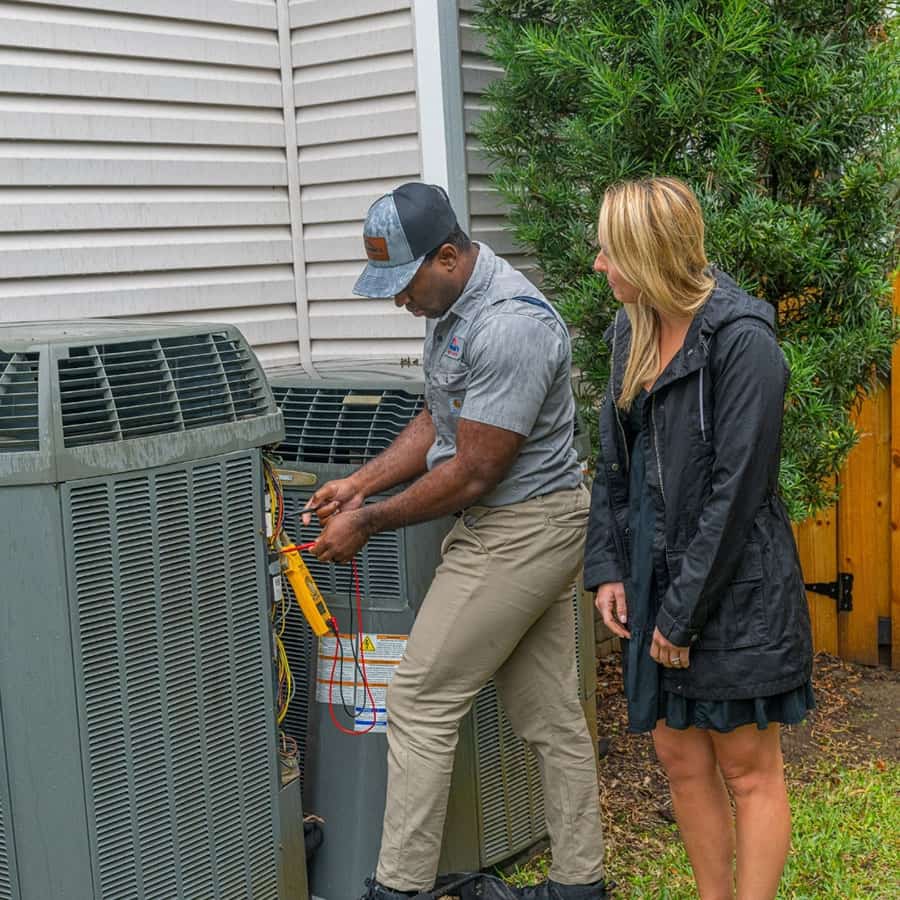
A Second Opinion That Changed the Outcome in Pine Forest
Marcus called us from his home in Pine Forest Country Club after another company had told him his heat pump compressor had failed and the system needed to be replaced. The quote was substantial and he wanted a second opinion before committing. Our technician found that the compressor was actually operational. What had failed was the dual run capacitor, which had prevented the compressor from starting during the other company’s visit and produced symptoms that mimicked a compressor failure without further investigation. The capacitor was replaced the same afternoon. Marcus’s heat pump was running normally within the hour and continued doing so through the rest of the season. A thorough diagnosis before a replacement recommendation is not optional. It’s the job.
Heat Pump Problems Don't Wait for Business Hours
Summerville’s inland heat builds fast inside a home when the AC side of a heat pump fails in July. Without the coastal breezes that moderate conditions nearer to Charleston, interior temperatures in an uncoooled Summerville house can climb to dangerous levels quickly, particularly for households with young children, elderly residents, or anyone with heat-sensitive medical conditions. A heating failure during a January cold snap carries equally serious consequences. Smoak’s Comfort Control offers emergency heat pump repair service across Summerville and the surrounding area because neither situation is one that can wait until morning.
Call us any time and we’ll get a technician on the way as quickly as possible. You’ll know what’s wrong and what it costs before we start any work.
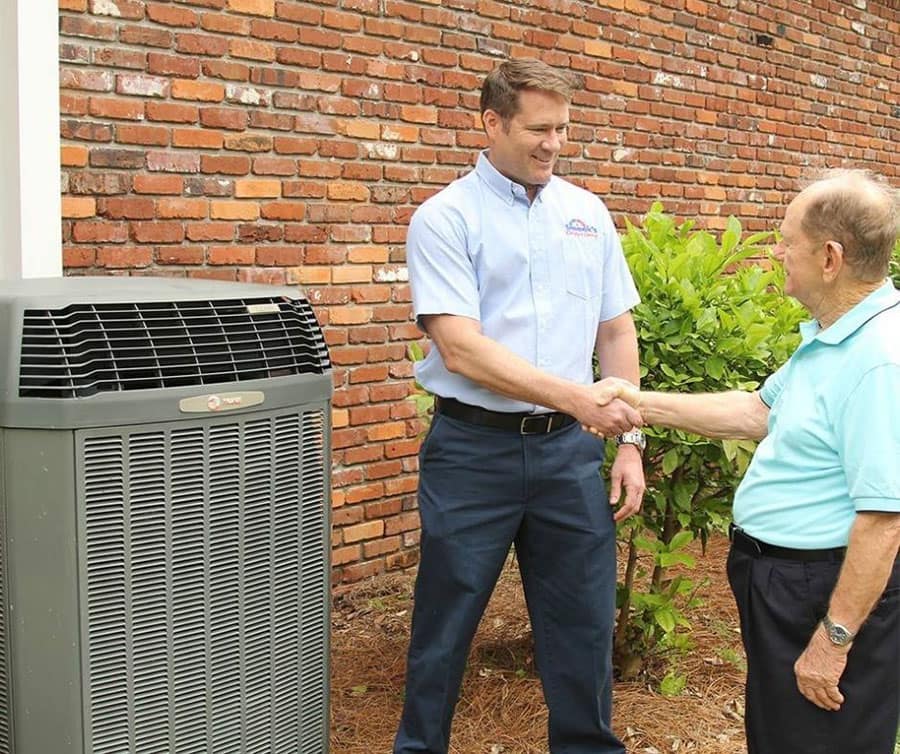

Why Summerville Homeowners Choose Smoak's Comfort Control
Smoak’s Comfort Control has served the Summerville area for more than 50 years, and as the community has grown into one of the fastest-expanding cities in the country, our commitment to honest, quality service has stayed the same. We’re a third-generation, family-owned company with no outside investors and no corporate pressure to recommend more than a customer needs. That independence is reflected in the way we approach every service call and every repair recommendation.
- Skilled technicians with experience across the full range of heat pump systems found in Summerville’s diverse housing stock.
- An A+ rating with the Better Business Bureau reflecting consistent, transparent service over decades.
- Financing options available for repairs and replacements that arrive at inconvenient times.
- Clean, professional work practices that respect your home on every visit.
- Emergency availability because Summerville’s climate creates real urgency when a heat pump fails.
Summerville families have trusted Smoak’s for decades, and we take that trust seriously on every call we take in this community.