
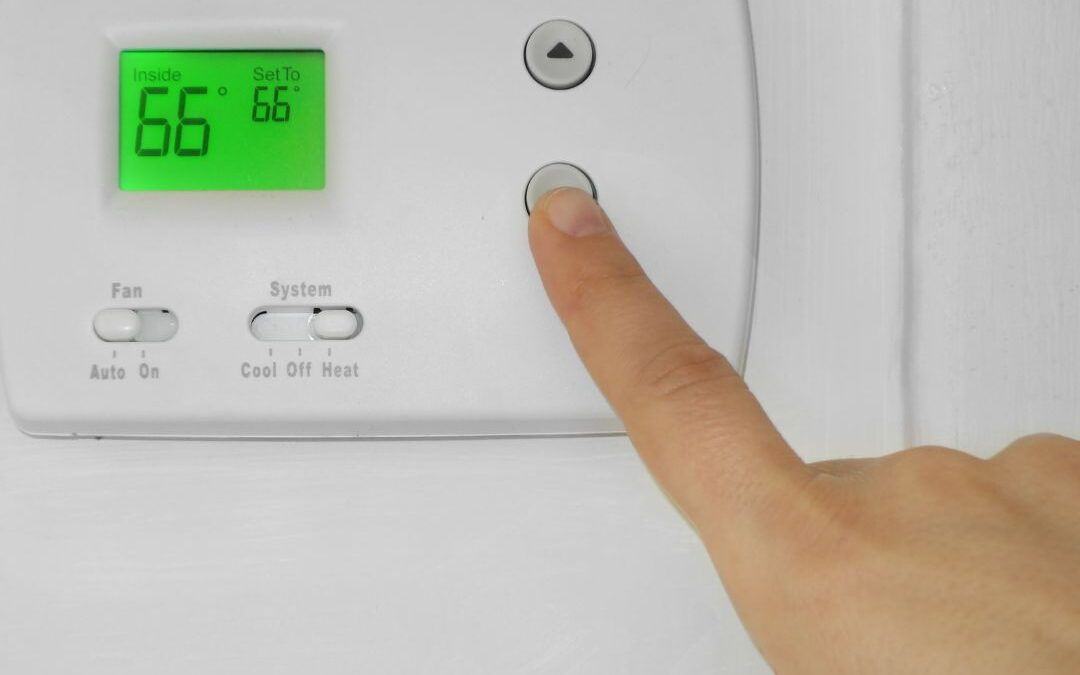
The thermostat is often a source of tension in shared living spaces—whether you’re dealing with family members, roommates, or coworkers. As temperatures shift throughout the year, people naturally respond differently to cold air or heat, and that’s where the thermostat battles begin. It can get uncomfortable when the temperature isn’t right for everyone, leading to restless nights or irritability. Some human beings naturally feel cold quickly, bundling up in more clothes and shutting the bedroom door to stay warm. Others run hot, preferring cooler air and wanting the air conditioner on more often, especially when it’s hot as hell outside. Finding a good happy-medium temperature that keeps everyone comfortable can feel impossible, especially in a living space where several people share the same HVAC system.
Instead of letting the thermostat become a daily frustration, there are practical ways to strike a balance. Below, we explore why these disagreements happen and how to compromise on thermostat settings without fighting over every degree.
Understanding the Thermostat War
A thermostat war usually starts when one person feels freezing while another feels hot—even when the thermostat is set to what seems like a reasonable middle temperature. Differences in metabolism, body composition, and general comfort preferences often cause someone to feel cold even when others feel perfectly fine. Disagreements arise when someone thinks the temperature is ‘wrong’ for them, which can quickly lead to conflict among individuals. When these adjustments happen several times each day, the electric bill rises, tempers flare, and everyone grows tired of arguing.
And in some households, one person constantly changes the thermostat, leading to even more frustration and confusion. That’s why establishing boundaries, expectations, and a system is essential for achieving long-term harmony. Over time, some may realize that adding layers of clothing or using fans and heaters can help manage comfort without constantly adjusting the thermostat.
How to Compromise on Thermostat Settings
1. Have an Open Conversation
Start by discussing everyone’s comfort levels, schedules, and preferences, and encourage roommates to talk openly about their needs. Understanding who tends to run hot, who tends to feel cold, and when the home is occupied can help you agree on a thermostat set point that makes sense for the whole house. Talking through these issues can help you find answers to common thermostat disputes. This simple conversation, where everyone talks and seeks answers together, often prevents larger disagreements later.
2. Invest in a Smart Thermostat
A smart thermostat can help households maintain consistent comfort while still saving energy. These devices automatically adjust the house temperature based on your routines, reducing unnecessary usage during free time when no one is home. Many models allow each person to check or adjust settings on their phone, reducing the feeling that someone is secretly changing the temperature behind everyone’s back. Smart thermostats can also be programmed to maintain a minimum temperature for comfort and energy efficiency, ensuring the temperature never drops below a set threshold.
3. Dress Stategically for Comfort
When someone feels cold, the quickest fix is wearing more clothes, such as a sweatshirt, socks, or light layers, or even just a t-shirt for those who prefer it. On the other hand, someone who feels too hot can choose to wear lighter clothes or use a fan in their room. Small adjustments prevent frequent thermostat changes and help everyone deal with their natural comfort differences. Some people are comfortable in colder environments and may choose to wear lighter clothing, like a t-shirt, even when the room is cool.
4. Consider Zone Heating or Cooling
If your home allows it, zone control gives each room or area its own temperature setting. This is one of the best ways to avoid conflict in multi-level homes, where the upstairs may get warm while the downstairs stays cold. Opening a window in a specific room can help regulate the temperature without affecting the rest of the house. Additionally, shutting doors or windows in each zone can help maintain the desired temperature and prevent unwanted heat or cold from spreading.
5. Use Energy-Smart Habits
Opening curtains to let sunlight warm the room in winter or keeping blinds closed in the summer can reduce temperature swings. Keeping up with HVAC maintenance also ensures your system runs efficiently, providing consistent comfort without wasting energy. Avoiding energy waste not only helps the environment but also saves you money on utility bills. Activities like cooking can quickly raise the temperature in your home, so adjusting your habits—such as using exhaust fans or cooking meals for cooler parts of the day—can help maintain a comfortable environment.
6. Maintain Comfort at Work
Thermostat conflicts don’t just happen at home—the office can feel too cold or too hot, depending on where you sit. Keeping a light blanket, scarf, or jacket handy can make a big difference throughout the workday or even having extra blankets available for those who get cold easily, without depending entirely on the building’s HVAC system.
If you take a short rest or nap at work, having the right temperature and a comfortable bed or chair can make the experience much more restful.
7. Seek HVAC Professional Guidance
If you’re constantly arguing or can’t seem to find a compromise, an HVAC professional may be able to recommend equipment upgrades, zoning options, or solutions you may not have considered. HVAC technicians can help you explore all your options for achieving comfort.
The Impact of Temperature on Sleep
Temperature plays a substantial role in sleep quality. The temperature at night is crucial for sleeping well, as it directly affects comfort and rest. Sleeping in a room that is too hot can cause sweating and discomfort, while a room that is too cold can make you freeze. A hot or stuffy room makes people restless, tired, and unable to stay asleep. Meanwhile, a cool but comfortable environment encourages deep, restorative rest.
A programmable thermostat can automatically adjust temperatures as you sleep, keeping the house warm enough for comfort but cool enough to prevent overheating. The ideal sleep temperature is typically around 60-67°F. Some people prefer a colder room for sleeping, while others prefer a warmer one. Waking up in the middle of the night from being too hot or too cold can affect how well you sleep. For apartments or shared homes, this helps everyone maintain nighttime comfort without disrupting others in the household.
Programmable Thermostats: A Smart Way to End Thermostat Fights
One of the easiest ways to eliminate constant arguments is by installing a programmable thermostat. These units allow you to schedule temperature changes during the morning, daytime, evening, and overnight hours. For example:
- Keep the home warm and comfortable during mornings and evenings.
- Lower the temperature during work hours to save energy.
- Create nighttime settings optimized for sleep.
After a week or a few weeks of using a programmable thermostat, you may finally notice fewer arguments and more consistent comfort. This ensures the home stays at a consistent, energy-efficient temperature, reducing the need for anyone to constantly adjust it.
Finding Common Ground in Shared Living Spaces
In an apartment, townhome, or house, people come from different backgrounds, have different routines, and experience temperature differently. That’s why compromise is essential. Disagreements over the thermostat can really impact your daily life and overall well-being, especially when trouble with roommates makes things tense. Some people even feel stuck in uncomfortable living situations because of ongoing thermostat disputes. It’s important to remember that rent and utility costs should be divided, and everyone should pay their share—no one wants to find out they’ve paid more than their fair share for utilities just because of constant thermostat changes. Most people prefer a temperature range of 68-72°F, so finding common ground within that range is usually reasonable for everyone. Imagine how your roommates feel if they’re always too hot or too cold; empathy goes a long way.
Instead of arguing each time someone touches the thermostat, work together to determine:
- A standard daytime temperature
- A nighttime temperature
- When adjustments are acceptable
- How to communicate changes
A little compromise on the front-end helps avoid ongoing conflict and allows everyone to feel comfortable.
Alternative Comfort Solutions for Individuals
Sometimes, the central HVAC system simply can’t satisfy everyone at once. That’s when personal comfort devices, like a space heater or an air conditioning unit, can be a good investment. Having the right comfort gear, such as a space heater, fan, or even a portable air conditioner, can make a big difference in how comfortable you feel in your room. Many people have paid extra for these devices to ensure their own comfort, especially in shared living situations where thermostat settings are often contested.
Space Heaters
Great for people who feel cold, especially in winter or in drafty rooms.
Fans, Window Units, or Portable AC Units
Perfect for the person who gets hot quickly and needs extra airflow in their room.
Providing options like these helps everyone stay comfortable without having to constantly adjust the shared thermostat.
Depend on Smoak’s Comfort Control
Dealing with the thermostat shouldn’t feel like a daily battle. Whether you’re negotiating comfort with family or trying to deal with roommates with very different preferences, there are practical ways to find the middle ground. Using programmable thermostats, dressing appropriately, and setting expectations can dramatically increase comfort—while lowering your energy use and stress. You can literally feel the difference when you approach temperature control the right way. If you’ve heard stories about thermostat disputes, you know how common these issues are—so you’re not alone. Start putting these tips into practice to make your living situation more comfortable for everyone.
Smoak’s Comfort Control is here to help you find the best heating and cooling solutions. If you’re tired of thermostat disagreements or want to improve your HVAC efficiency, call (843) 556-9550 today or schedule an appointment online. We’ll help you create a home environment where everyone feels comfortable—no compromise required.