
Bathrooms may seem innocuous, but they can harbor numerous hidden dangers for young children. From slippery surfaces to hazardous substances, these risks can turn an everyday bath time into a perilous situation. Understanding these dangers is the first step in creating a safe environment for your little ones. Wet floors, hard surfaces, and the presence of sharp objects can pose significant risks to babies and toddlers, who are naturally curious and unpredictable.
One of the most common dangers is slips and falls, which can occur when toddlers attempt to stand or walk in the bathroom. The combination of water and slick tiles can lead to serious injuries. Additionally, bathrooms often contain cleaning supplies and medications that can be toxic if ingested. Thus, awareness of these risks allows parents to be proactive and implement safety measures to safeguard their children as they explore this essential part of the home.
Constant Adult Supervision
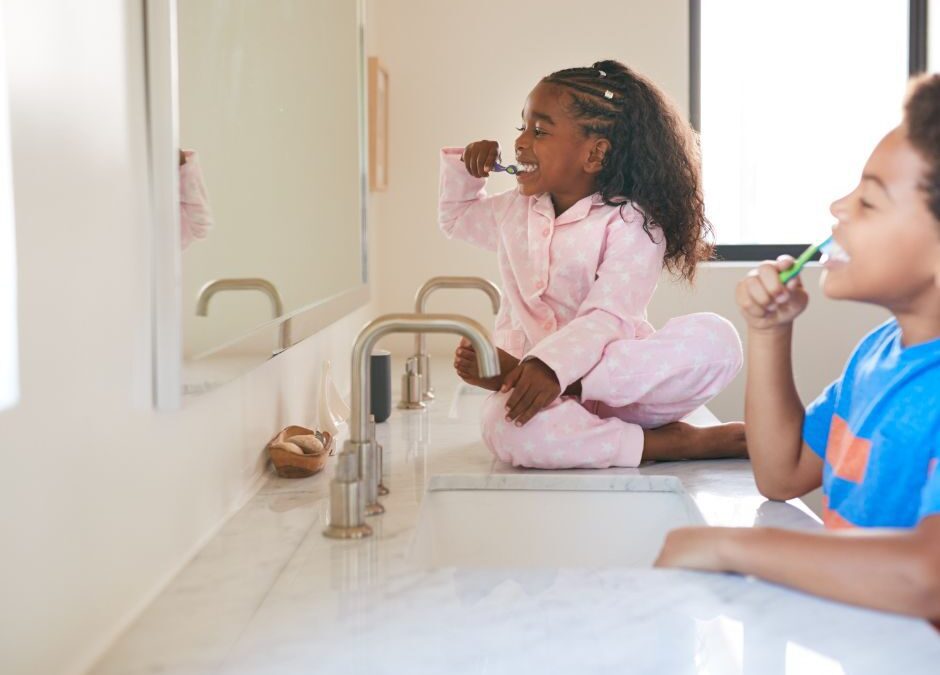
While implementing safety measures is crucial, nothing replaces the importance of constant adult supervision. Keeping an eye on young children in the bathroom can prevent accidents before they happen. This means being within arm’s reach during bath time and remaining vigilant even when children are engaging in seemingly safe activities, such as brushing their teeth or washing their hands. It’s essential to remain present and attentive, as children can get into trouble in the blink of an eye.
Establishing a safe bathing routine is another way to ensure that kids are always monitored. For instance, having a designated bath time and following a set of safe practices can help foster a secure environment. During this time, you can engage them in conversation, ensuring they feel comfortable while also maintaining safety. Make it a habit to never leave a child unattended in the bathroom, even for a moment, to eliminate any risk of accidents or mishaps.
Non-Slip Mats
One of the simplest yet most effective safety measures is the use of non-slip mats. These mats can significantly reduce the risk of slips and falls, providing children with a more secure footing when entering or exiting the bathtub or shower area. When selecting non-slip mats, look for those made from high-quality, durable materials that can withstand moisture and remain firmly in place.
Placement is equally important; mats should extend from the tub to the bathroom entrance. Additionally, ensure the mats are cleaned regularly to prevent mold or mildew buildup, which could make them slippery over time. By prioritizing safety with the right non-slip mats in the appropriate locations, you can create a safer bathing environment for your children.
Safe Water Temperatures
Another crucial aspect of bathroom safety is maintaining the right water temperature during baths. Hot water can pose a serious risk of burns, especially on young, more sensitive skin. Setting the ideal water temperature to around 100°F ensures a comfortable, safe bathing experience for your child. To avoid potential scalding, it’s wise to adjust the water heater to a lower maximum temperature and always test the water before placing your child in the tub.
Using a thermometer specifically designed for bath water can add an extra layer of safety. These devices are easy to use and provide accurate water temperature readings. Engaging your child in checking the temperature can also teach them about safety and help them understand the importance of being cautious around hot water.
Childproof Locks for Medicines and Cleaners
Bathrooms often contain various hazardous substances, including medications and cleaning supplies, that can be extremely dangerous if accessed by children. Installing childproof locks on cabinets where these items are stored is a necessary precaution. Identifying all hazardous items in your bathroom is essential, including anything that could be toxic, flammable, or a choking hazard.
When choosing childproof locks, consider options that are easy for adults to operate but difficult for children to access. This dual-level safety measure helps ensure that children cannot reach dangerous items, thus reducing the risk of accidents. Additionally, it is wise to keep all dangerous substances out of reach, ideally in locked cabinets, to further enhance safety.
GFCI Outlets
Ground Fault Circuit Interrupter (GFCI) outlets are vital safety features in any bathroom. These outlets are designed to automatically shut off power in the case of a short circuit or an electrical fault, preventing potential electrocution. Since bathrooms are often wet environments, having GFCI outlets installed is critical for protecting children from electrical hazards.
When installing GFCI outlets, ensure they are located near water sources, such as sinks and tubs. Regularly test these outlets to ensure they are functioning properly. Educating older children about the dangers of water and electricity can also reinforce safety measures and foster awareness about using electrical devices in the bathroom.
Toilet Locks
Toilet locks are essential safety devices that prevent young children from accessing the toilet bowl, which can pose drowning risks or lead to unsanitary situations. Toilet locks are typically easy to install and can provide peace of mind to parents worried about the dangers posed by curious little ones.
When selecting a toilet lock, consider ease of use for adults while ensuring it remains secure against little hands. Installation usually involves attaching the lock to the toilet lid and the toilet base, making it straightforward. Regularly check the mechanism for wear and tear, as a broken lock can pose safety risks.
Protective Bath Accessories
Using protective bath accessories can greatly enhance bath-time safety. Bath mats with anti-slip features can provide a stable surface for children who may otherwise slip. Additionally, bath seats and safety harnesses can be useful for younger children who may not yet be able to sit up on their own, keeping them secure while bathing.
When selecting these accessories, prioritize products that have been safety tested and are recommended for your child’s age group. Keeping the bathing area clear of toys and other distractions can also minimize the risk of falls and make supervision during bath time easier.
Unstable Fixtures
Unstable bathroom fixtures can pose significant safety risks, particularly for children. Loose faucets, shower doors, and towel bars can become hazards if not addressed promptly. It is essential to regularly inspect these fixtures for stability and wear, as instability can lead to accidents, especially in a childproof environment.
If any fixture is found to be unstable, it is advisable to either tighten or replace it to ensure bathroom safety. When repairs are beyond basic maintenance, enlisting a professional plumber ensures fixtures are securely installed and functioning correctly, providing peace of mind for families.
Plumber Tips:
Additionally, regular plumbing maintenance is crucial in promoting overall plumbing safety within the bathroom. Leaks or faulty fixtures can create hazardous conditions, leading to slips and falls. Parents should consider consulting a qualified plumber to inspect the plumbing system for any vulnerabilities. Childproofing measures, such as securing sharp objects and hiding cleaning supplies, further enhance bathroom safety, allowing children to navigate the space without risk. By prioritizing these strategies, families can significantly reduce the likelihood of accidents and create a nurturing atmosphere for their children during bath time.
- Install childproof locks on cabinets and drawers to prevent access to hazardous materials, including cleaning supplies and tools.
- Use non-slip mats and strips to minimize the risk of slips and falls on wet surfaces.
- Set your water heater to a safe temperature, ideally below 120°F, to prevent scalding accidents.
- Consider installing a toilet lock to prevent toddlers from falling in or playing with water.
- Ensure all electrical outlets are equipped with GFCI protection and use outlet covers to prevent children from inserting objects.
- Regularly review and update safety measures as your child grows and their abilities change.
- Engage children in discussions about bathroom safety to help them understand potential risks.
- Supervise bath time closely, even with safety measures in place, as vigilance is key. Create a fun and engaging atmosphere with bath toys while maintaining a focus on safety.
- Encourage children to communicate if they feel uncomfortable or if something doesn’t seem right during bath time.
- Reinforce the importance of asking for help if they need something while in the bathroom.
- Regularly check safety equipment to ensure everything is functioning properly and replace any worn-out items immediately.
FAQs
What are the most common bathroom hazards for children?
Common hazards in the bathroom include slips and falls, access to cleaning supplies and medications, and drowning risks associated with toilets and bathtubs.
How can I teach my child about bathroom safety?
Teach your child about bathroom safety by discussing potential risks, demonstrating safe behavior, and involving them in safety checks, such as testing water temperature.
Are there specific products recommended for bath safety?
Products such as non-slip bath mats, childproof locks for cabinets and toilets, and protective bath seats or harnesses are recommended for enhancing bath safety.
How often should I check safety devices in the bathroom?
Regularly check and maintain safety devices, such as toilet locks and GFCI outlets, at least once a month or more frequently if you have active toddlers exploring.
What temperature is considered safe for bath water?
The recommended water temperature for children is around 100°F (37.8°C) to prevent burns and ensure a comfortable bathing experience.
In summary, ensuring the safety of your bathroom for babies and young children requires awareness of potential dangers and proactive measures. From implementing constant adult supervision to using non-slip mats, maintaining safe water temperatures, and installing childproof locks, each step contributes to creating a safer environment. GFCI outlets and toilet locks are also essential components of bathroom safety that should not be overlooked.
Ultimately, the goal is to foster an environment where children can explore and enjoy bath time without the looming threat of accidents. By taking these precautions seriously and remaining vigilant, parents can ensure their little ones have a safe, secure experience in the bathroom.