
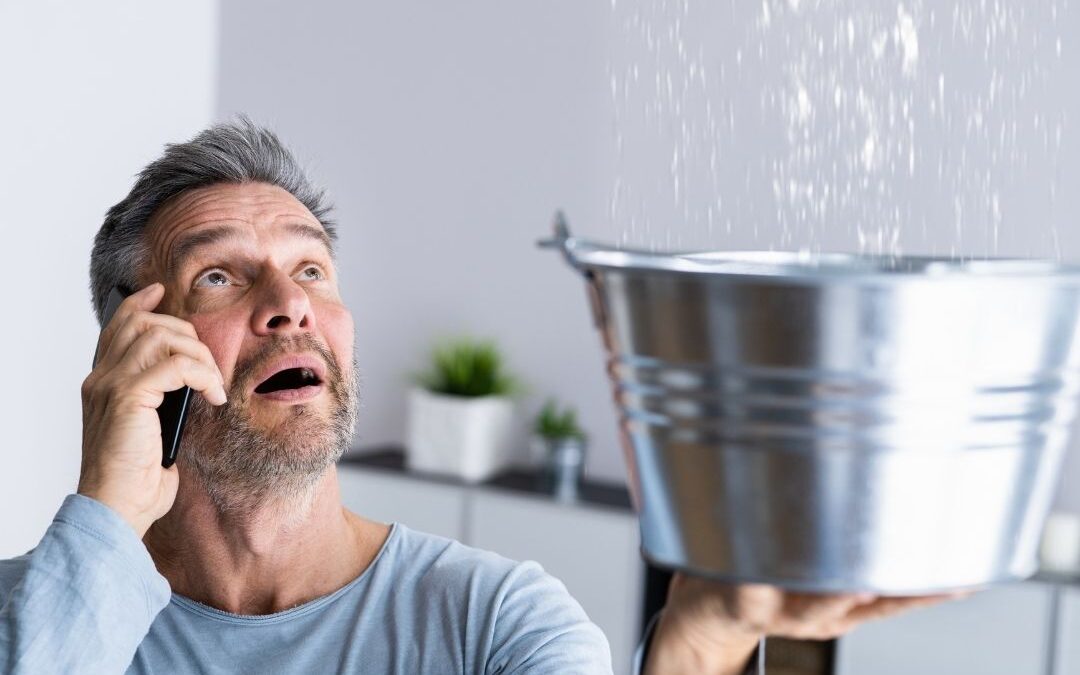
Water leaks can be a homeowner’s worst nightmare, often leading to extensive damage and costly repairs. Identifying a leak early can save you both time and money. But how do you know if you have a leak? One of the most effective ways to determine whether water is leaking somewhere in your home is to listen for the sounds it makes. This article will explore the different sounds associated with water leaks, how to locate the source, and when to seek professional help.
Importance of Identifying Water Leaks
Water leaks can occur in various locations throughout your home, including pipes, roofs, and even appliances. They can lead to significant structural damage, mold growth, and increased water bills. Identifying the sounds of a water leak allows you to act promptly to mitigate damage and maintain a healthy living environment. Understanding these sounds can also help you differentiate between minor issues and serious plumbing problems that require immediate attention.
Moreover, the sooner you address a leak, the less likely it is to cause extensive damage. A small drip can escalate into a major problem if left unaddressed. Therefore, knowing what to listen for can empower you to take control of your home maintenance.
Common Places for Water Leaks
- Water leaks can happen in various areas of your home. Some of the most common places include:
Under sinks - Behind appliances such as dishwashers and washing machines
- In walls and ceilings, especially near bathrooms and kitchens
- Outside around the foundation of the house
- In the roof or gutters
Being aware of these potential leak points will help you focus when identifying the source of any suspicious sounds.
Understanding the Sounds of Water Leaks
Dripping Sounds
One of the most recognizable sounds of a water leak is dripping. This sound is typically consistent and rhythmic, resembling a slow tap or drop. Dripping sounds often indicate a leak from a faucet, a toilet, or a pipe. If you hear a dripping sound coming from a wall or ceiling, it may indicate a more serious issue, such as a leak in your home’s plumbing system.
To identify a dripping sound, listen closely in areas where you suspect a leak. Try to find the source of the sound by moving closer. If you hear a drip, check the fixtures and pipes in that area. A small drip can lead to significant water waste over time, so it’s essential to address it promptly.
Running Water Sounds
Running water sounds can be more challenging to pinpoint because they may come from fixtures in use or a hidden leak. This sound often resembles the continuous flow of water, which may indicate a running toilet or a leaking pipe. If you notice this sound when no taps or appliances are in use, it may suggest a leak somewhere in your plumbing system.
In some cases, running water can also be caused by a faulty valve, leading to higher water bills and wasted resources. If you suspect a running water leak, it is advisable to turn off the main water supply and monitor the sound. If it continues, the issue is likely internal. Observing the water meter can also give insights; if it keeps moving while all taps are turned off, you may have a leak.
Hissing or Whistling Sounds
Hissing or whistling sounds are often indicative of air escaping from a pipe or a water supply line under pressure. This sound usually occurs when there is a small leak, pinhole, or crack in the piping system. It may also be caused by a malfunctioning valve or fitting. Recognizing this sound is crucial as it can lead to more significant issues, including higher water bills and potential flooding.
If you hear hissing sounds near your plumbing fixtures or appliances, check the connections and fittings for any signs of moisture or corrosion. If you cannot identify the source, seeking help from a plumber is recommended, as they have the tools necessary to diagnose and repair these types of leaks effectively.
Gurgling Sounds
Gurgling sounds can be alarming and often indicate a problem with your plumbing system. This sound typically arises from blocked drains or sewer lines, where water struggles to flow freely. Gurgling can also occur when air is trapped in pipes due to a leak or a malfunctioning vent system.
If you hear gurgling sounds coming from your sinks, toilets, or drains, it’s essential to investigate quickly. Blockages can lead to backups, creating unsanitary conditions and costly repairs. You may need a plumber to assess and resolve any issues related to gurgling sounds, especially if they persist over time.
How to Locate the Source of the Leak
Inspecting Your Home
After identifying the sounds of a potential leak, the next step is to locate the source. Begin by conducting a thorough inspection of your home. Start in areas where you suspect a leak based on the sounds you’ve heard. Look for signs of water damage, such as discoloration on walls or ceilings, damp spots, or mold growth.
In addition to visual inspections, check your water meter for unusual activity. If you notice your water usage is higher than normal with no clear reason, it could indicate a hidden leak. During your inspection, pay close attention to joints, fittings, and any areas where pipes are visible.
Using Technology to Detect Leaks
In today’s digital age, various technologies can aid in leak detection. Acoustic leak detection devices can amplify the sounds of water escaping from pipes, making it easier to identify the source. Infrared cameras can detect temperature differences in walls or ceilings, which may indicate moisture.
Smart water leak detectors are also available and can alert you to leaks through smartphone notifications. These devices can be strategically placed around your home to provide ongoing monitoring and early warning of potential leaks. Utilizing these technologies can save you time and provide greater accuracy in locating hidden leaks.
When to Call Professionals
Signs You Need Plumbing Repair
While some leaks can be managed with DIY methods, there are clear signs when it’s time to call in a professional plumber. If you notice significant water damage, persistent dripping sounds, or rising water bills that you cannot explain, it may be time to seek expert help. Additionally, if you have attempted to locate the leak without success, a plumber will have the training and tools to accurately diagnose the issue.
Moreover, if you suspect the leak is in the walls or foundation of your home, it is particularly crucial to call a professional. They can perform the necessary repairs to prevent further damage and ensure the safety and integrity of your home.
Choosing the Right Plumber
When searching for a plumber, consider their experience, reviews, and certifications. Asking friends and family for recommendations can also be beneficial. Look for plumbers who offer warranties on their work, as this shows they stand behind their services.
It’s also wise to get multiple quotes before making your choice. This not only helps you understand the average cost of repairs but also gives you a sense of the plumber’s professionalism and communication skills. A reliable plumber should be transparent about their pricing and the scope of work needed to address your leak.
Water Leak Repair Options
DIY Repair Tips
For minor leaks, some homeowners may choose to attempt repairs themselves. Simple fixes, such as replacing a worn washer in a faucet or tightening loose pipe connections, can often be done with basic tools. For small leaks in visible pipes, applying a plumbing tape can offer a temporary solution until a more permanent fix is made.
However, it’s essential to know your limitations. If you’re unsure about the repairs or encounter a more complex issue, don’t hesitate to call a professional. Addressing plumbing issues without the necessary skills can lead to more significant problems down the line.
When to Consider Professional Help
For extensive leaks or complicated plumbing systems, professional help is often the best option. Issues like burst pipes, sewer leaks, or leaks behind walls typically require specialized knowledge and tools to address effectively. Leaving these types of repairs to professionals not only ensures that the job is done correctly but also protects your home from future leaks and damage.
Additionally, plumbers can offer preventative maintenance services to help you avoid leaks in the future. Regular inspections and proactive repairs can save you substantial costs and hassles associated with water damage and extensive repairs.
Conclusion
Recap of Water Leak Sounds
Understanding the sounds of water leaks is essential for every homeowner. Dripping, running, hissing, and gurgling sounds can indicate different types of leaks in your plumbing system. By being attentive to these sounds and knowing where to look, you can identify potential leaks early and take appropriate action to prevent damage.
Encouragement to Stay Proactive
Staying proactive about leak detection and repair can save you both time and money. Regularly monitor your home for unusual sounds and inspect common leak areas. When in doubt, consult with professionals who can help you address any plumbing issues effectively. Remember, a small leak today can turn into a major problem tomorrow, so don’t ignore those sounds!
FAQs
1. What should I do if I hear a dripping sound?
Start by locating the source of the sound. Check faucets and visible pipes for leaks. If it’s coming from behind a wall or ceiling, consider contacting a plumber.
2. How can I tell if I have a hidden leak?
Check your water meter when all water is turned off. If the meter is still moving, you likely have a hidden leak. Listen for sounds of running water or unusual dampness in your walls and floors.
3. Can I repair leaks myself?
Minor leaks can be repaired with DIY methods. However, more complex issues, such as burst pipes or sewage leaks, are best left to professionals.
4. How can I prevent water leaks in my home?
Regular inspections of plumbing fixtures, proper maintenance of appliances, and monitoring water pressure can help prevent leaks.
5. When should I call a plumber?
If you notice persistent sounds of water leaks, significant water damage, or unusual changes in your water bill, it’s best to call a plumber for a professional evaluation.